An International Horticulture Magazine
 RTI WRLD
The Voice of Global Horticulture

Market-Ready Vegetables: Improving Post-Harvest Handling & Quality
 Sharath Malleshaiah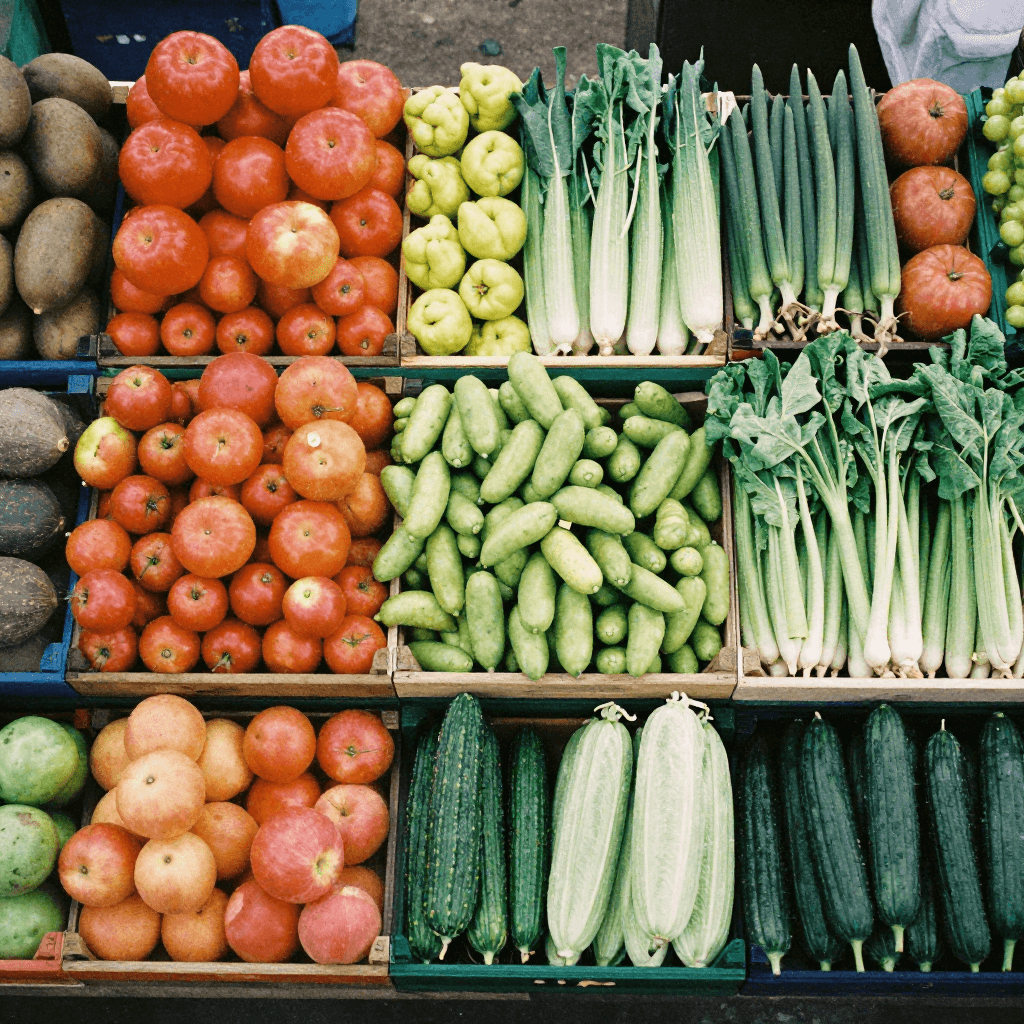
Post-harvest management plays a decisive role in determining market value and export acceptance. Improper handling, temperature fluctuations, and poor packaging can significantly reduce shelf life and profitability. This in-depth feature examines advanced sorting technologies, controlled-atmosphere storage, cold chain logistics, and sustainable packaging solutions that maintain freshness and nutritional quality. Discover how strategic post-harvest practices can reduce waste, increase margins, and ensure compliance with global quality benchmarks.
Recommended Articles
More insights from the world of horticulture
Smart Farming Automation: The Future of Greenhouse Cultivation
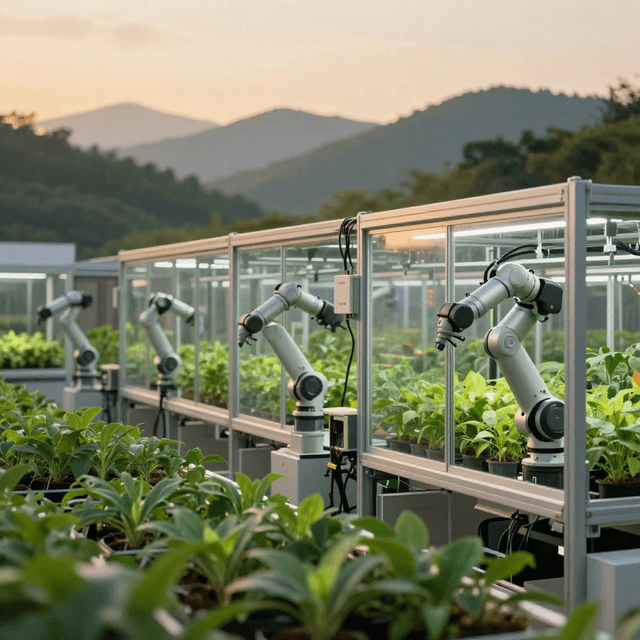
Greenhouse cultivation is entering a new era driven by automation, robotics, and data intelligence. Advanced sensor networks now monitor humidity, nutrient levels, light intensity, and plant stress in real time, while AI-powered control systems dynamically adjust irrigation, fertigation, and ventilation for optimal growth conditions. Autonomous robots are handling seeding, transplanting, pruning, and harvesting with precision, reducing labor dependency and operational errors. This transformation is not just improving yields — it is redefining efficiency, sustainability, and scalability in controlled-environment agriculture.
10 FEB 2026
Read More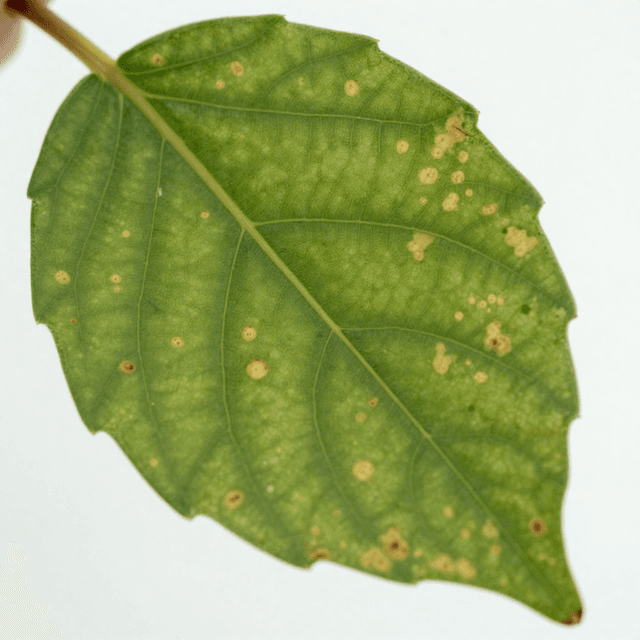
Identifying Leaf Diseases Early: Grower's Guide
Early detection of leaf diseases can mean the difference between manageable treatment and significant crop loss. From fungal infections and bacterial blights to nutrient deficiencies and viral patterns, understanding visual indicators is critical for proactive management. This guide explores modern diagnostic tools including image-based AI detection, lab-based pathogen analysis, and integrated pest management strategies. Learn how timely intervention, balanced nutrition, and preventive monitoring can safeguard plant health and protect overall yield quality.
15 MAR 2026
Read More
Floriculture Trends: Innovations Driving the Global Flower Market
The global floriculture industry is rapidly evolving through technological innovation, sustainability initiatives, and shifting consumer demand. Precision climate control systems, tissue culture propagation, and post-harvest cold chain advancements are enhancing flower quality and export viability. Meanwhile, eco-friendly packaging, carbon-conscious cultivation, and data-driven production planning are reshaping market competitiveness. This article explores how modern growers are leveraging innovation to meet international standards and capture expanding global demand.
12 FEB 2026
Read More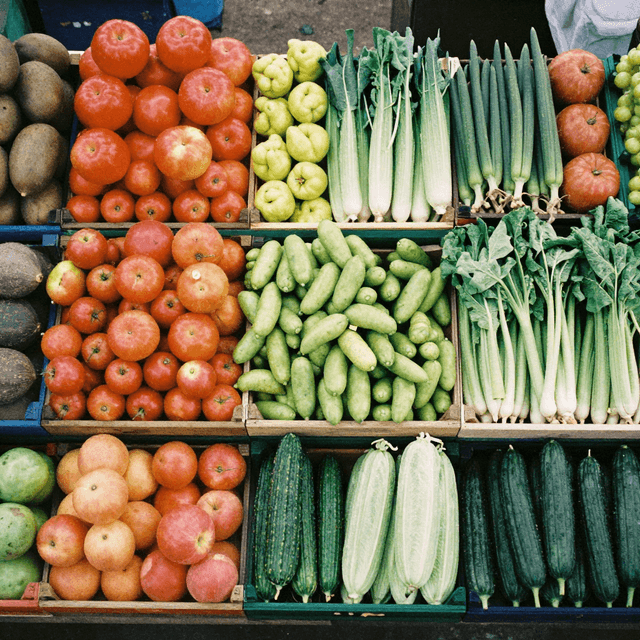
Market-Ready Vegetables: Improving Post-Harvest Handling & Quality
Post-harvest management plays a decisive role in determining market value and export acceptance. Improper handling, temperature fluctuations, and poor packaging can significantly reduce shelf life and profitability. This in-depth feature examines advanced sorting technologies, controlled-atmosphere storage, cold chain logistics, and sustainable packaging solutions that maintain freshness and nutritional quality. Discover how strategic post-harvest practices can reduce waste, increase margins, and ensure compliance with global quality benchmarks.
14 MAR 2026
Read More
Soil Health Revival: Sustainable Techniques for Stronger Crops
Sustainable horticulture begins beneath the surface. Soil degradation, nutrient imbalance, and microbial decline directly impact crop resilience and long-term productivity. This article explores regenerative agriculture techniques such as cover cropping, organic amendments, microbial inoculants, reduced tillage, and precision nutrient management. By restoring soil structure, enhancing biodiversity, and improving carbon retention, growers can build resilient systems that support higher yields while protecting environmental health for future seasons.
25 MAR 2026
Read MoreSmart Farming Automation: The Future of Greenhouse Cultivation
Greenhouse cultivation is entering a new era driven by automation, robotics, and data intelligence. Advanced sensor networks now monitor humidity, nutrient levels, light intensity, and plant stress in real time, while AI-powered control systems dynamically adjust irrigation, fertigation, and ventilation for optimal growth conditions. Autonomous robots are handling seeding, transplanting, pruning, and harvesting with precision, reducing labor dependency and operational errors. This transformation is not just improving yields — it is redefining efficiency, sustainability, and scalability in controlled-environment agriculture.
10 FEB 2026
Read MoreIdentifying Leaf Diseases Early: Grower's Guide
Early detection of leaf diseases can mean the difference between manageable treatment and significant crop loss. From fungal infections and bacterial blights to nutrient deficiencies and viral patterns, understanding visual indicators is critical for proactive management. This guide explores modern diagnostic tools including image-based AI detection, lab-based pathogen analysis, and integrated pest management strategies. Learn how timely intervention, balanced nutrition, and preventive monitoring can safeguard plant health and protect overall yield quality.
15 MAR 2026
Read MoreFloriculture Trends: Innovations Driving the Global Flower Market
The global floriculture industry is rapidly evolving through technological innovation, sustainability initiatives, and shifting consumer demand. Precision climate control systems, tissue culture propagation, and post-harvest cold chain advancements are enhancing flower quality and export viability. Meanwhile, eco-friendly packaging, carbon-conscious cultivation, and data-driven production planning are reshaping market competitiveness. This article explores how modern growers are leveraging innovation to meet international standards and capture expanding global demand.
12 FEB 2026
Read MoreMarket-Ready Vegetables: Improving Post-Harvest Handling & Quality
Post-harvest management plays a decisive role in determining market value and export acceptance. Improper handling, temperature fluctuations, and poor packaging can significantly reduce shelf life and profitability. This in-depth feature examines advanced sorting technologies, controlled-atmosphere storage, cold chain logistics, and sustainable packaging solutions that maintain freshness and nutritional quality. Discover how strategic post-harvest practices can reduce waste, increase margins, and ensure compliance with global quality benchmarks.
14 MAR 2026
Read MoreSoil Health Revival: Sustainable Techniques for Stronger Crops
Sustainable horticulture begins beneath the surface. Soil degradation, nutrient imbalance, and microbial decline directly impact crop resilience and long-term productivity. This article explores regenerative agriculture techniques such as cover cropping, organic amendments, microbial inoculants, reduced tillage, and precision nutrient management. By restoring soil structure, enhancing biodiversity, and improving carbon retention, growers can build resilient systems that support higher yields while protecting environmental health for future seasons.
25 MAR 2026
Read MoreSmart Farming Automation: The Future of Greenhouse Cultivation
Greenhouse cultivation is entering a new era driven by automation, robotics, and data intelligence. Advanced sensor networks now monitor humidity, nutrient levels, light intensity, and plant stress in real time, while AI-powered control systems dynamically adjust irrigation, fertigation, and ventilation for optimal growth conditions. Autonomous robots are handling seeding, transplanting, pruning, and harvesting with precision, reducing labor dependency and operational errors. This transformation is not just improving yields — it is redefining efficiency, sustainability, and scalability in controlled-environment agriculture.
10 FEB 2026
Read MoreIdentifying Leaf Diseases Early: Grower's Guide
Early detection of leaf diseases can mean the difference between manageable treatment and significant crop loss. From fungal infections and bacterial blights to nutrient deficiencies and viral patterns, understanding visual indicators is critical for proactive management. This guide explores modern diagnostic tools including image-based AI detection, lab-based pathogen analysis, and integrated pest management strategies. Learn how timely intervention, balanced nutrition, and preventive monitoring can safeguard plant health and protect overall yield quality.
15 MAR 2026
Read MoreFloriculture Trends: Innovations Driving the Global Flower Market
The global floriculture industry is rapidly evolving through technological innovation, sustainability initiatives, and shifting consumer demand. Precision climate control systems, tissue culture propagation, and post-harvest cold chain advancements are enhancing flower quality and export viability. Meanwhile, eco-friendly packaging, carbon-conscious cultivation, and data-driven production planning are reshaping market competitiveness. This article explores how modern growers are leveraging innovation to meet international standards and capture expanding global demand.
12 FEB 2026
Read MoreMarket-Ready Vegetables: Improving Post-Harvest Handling & Quality
Post-harvest management plays a decisive role in determining market value and export acceptance. Improper handling, temperature fluctuations, and poor packaging can significantly reduce shelf life and profitability. This in-depth feature examines advanced sorting technologies, controlled-atmosphere storage, cold chain logistics, and sustainable packaging solutions that maintain freshness and nutritional quality. Discover how strategic post-harvest practices can reduce waste, increase margins, and ensure compliance with global quality benchmarks.
14 MAR 2026
Read MoreSoil Health Revival: Sustainable Techniques for Stronger Crops
Sustainable horticulture begins beneath the surface. Soil degradation, nutrient imbalance, and microbial decline directly impact crop resilience and long-term productivity. This article explores regenerative agriculture techniques such as cover cropping, organic amendments, microbial inoculants, reduced tillage, and precision nutrient management. By restoring soil structure, enhancing biodiversity, and improving carbon retention, growers can build resilient systems that support higher yields while protecting environmental health for future seasons.
25 MAR 2026
Read MoreSmart Farming Automation: The Future of Greenhouse Cultivation
Greenhouse cultivation is entering a new era driven by automation, robotics, and data intelligence. Advanced sensor networks now monitor humidity, nutrient levels, light intensity, and plant stress in real time, while AI-powered control systems dynamically adjust irrigation, fertigation, and ventilation for optimal growth conditions. Autonomous robots are handling seeding, transplanting, pruning, and harvesting with precision, reducing labor dependency and operational errors. This transformation is not just improving yields — it is redefining efficiency, sustainability, and scalability in controlled-environment agriculture.
10 FEB 2026
Read MoreIdentifying Leaf Diseases Early: Grower's Guide
Early detection of leaf diseases can mean the difference between manageable treatment and significant crop loss. From fungal infections and bacterial blights to nutrient deficiencies and viral patterns, understanding visual indicators is critical for proactive management. This guide explores modern diagnostic tools including image-based AI detection, lab-based pathogen analysis, and integrated pest management strategies. Learn how timely intervention, balanced nutrition, and preventive monitoring can safeguard plant health and protect overall yield quality.
15 MAR 2026
Read MoreFloriculture Trends: Innovations Driving the Global Flower Market
The global floriculture industry is rapidly evolving through technological innovation, sustainability initiatives, and shifting consumer demand. Precision climate control systems, tissue culture propagation, and post-harvest cold chain advancements are enhancing flower quality and export viability. Meanwhile, eco-friendly packaging, carbon-conscious cultivation, and data-driven production planning are reshaping market competitiveness. This article explores how modern growers are leveraging innovation to meet international standards and capture expanding global demand.
12 FEB 2026
Read MoreMarket-Ready Vegetables: Improving Post-Harvest Handling & Quality
Post-harvest management plays a decisive role in determining market value and export acceptance. Improper handling, temperature fluctuations, and poor packaging can significantly reduce shelf life and profitability. This in-depth feature examines advanced sorting technologies, controlled-atmosphere storage, cold chain logistics, and sustainable packaging solutions that maintain freshness and nutritional quality. Discover how strategic post-harvest practices can reduce waste, increase margins, and ensure compliance with global quality benchmarks.
14 MAR 2026
Read MoreSoil Health Revival: Sustainable Techniques for Stronger Crops
Sustainable horticulture begins beneath the surface. Soil degradation, nutrient imbalance, and microbial decline directly impact crop resilience and long-term productivity. This article explores regenerative agriculture techniques such as cover cropping, organic amendments, microbial inoculants, reduced tillage, and precision nutrient management. By restoring soil structure, enhancing biodiversity, and improving carbon retention, growers can build resilient systems that support higher yields while protecting environmental health for future seasons.
25 MAR 2026
Read MoreSmart Farming Automation: The Future of Greenhouse Cultivation
Greenhouse cultivation is entering a new era driven by automation, robotics, and data intelligence. Advanced sensor networks now monitor humidity, nutrient levels, light intensity, and plant stress in real time, while AI-powered control systems dynamically adjust irrigation, fertigation, and ventilation for optimal growth conditions. Autonomous robots are handling seeding, transplanting, pruning, and harvesting with precision, reducing labor dependency and operational errors. This transformation is not just improving yields — it is redefining efficiency, sustainability, and scalability in controlled-environment agriculture.
10 FEB 2026
Read MoreIdentifying Leaf Diseases Early: Grower's Guide
Early detection of leaf diseases can mean the difference between manageable treatment and significant crop loss. From fungal infections and bacterial blights to nutrient deficiencies and viral patterns, understanding visual indicators is critical for proactive management. This guide explores modern diagnostic tools including image-based AI detection, lab-based pathogen analysis, and integrated pest management strategies. Learn how timely intervention, balanced nutrition, and preventive monitoring can safeguard plant health and protect overall yield quality.
15 MAR 2026
Read MoreFloriculture Trends: Innovations Driving the Global Flower Market
The global floriculture industry is rapidly evolving through technological innovation, sustainability initiatives, and shifting consumer demand. Precision climate control systems, tissue culture propagation, and post-harvest cold chain advancements are enhancing flower quality and export viability. Meanwhile, eco-friendly packaging, carbon-conscious cultivation, and data-driven production planning are reshaping market competitiveness. This article explores how modern growers are leveraging innovation to meet international standards and capture expanding global demand.
12 FEB 2026
Read MoreMarket-Ready Vegetables: Improving Post-Harvest Handling & Quality
Post-harvest management plays a decisive role in determining market value and export acceptance. Improper handling, temperature fluctuations, and poor packaging can significantly reduce shelf life and profitability. This in-depth feature examines advanced sorting technologies, controlled-atmosphere storage, cold chain logistics, and sustainable packaging solutions that maintain freshness and nutritional quality. Discover how strategic post-harvest practices can reduce waste, increase margins, and ensure compliance with global quality benchmarks.
14 MAR 2026
Read MoreSoil Health Revival: Sustainable Techniques for Stronger Crops
Sustainable horticulture begins beneath the surface. Soil degradation, nutrient imbalance, and microbial decline directly impact crop resilience and long-term productivity. This article explores regenerative agriculture techniques such as cover cropping, organic amendments, microbial inoculants, reduced tillage, and precision nutrient management. By restoring soil structure, enhancing biodiversity, and improving carbon retention, growers can build resilient systems that support higher yields while protecting environmental health for future seasons.
25 MAR 2026
Read MoreSmart Farming Automation: The Future of Greenhouse Cultivation
Greenhouse cultivation is entering a new era driven by automation, robotics, and data intelligence. Advanced sensor networks now monitor humidity, nutrient levels, light intensity, and plant stress in real time, while AI-powered control systems dynamically adjust irrigation, fertigation, and ventilation for optimal growth conditions. Autonomous robots are handling seeding, transplanting, pruning, and harvesting with precision, reducing labor dependency and operational errors. This transformation is not just improving yields — it is redefining efficiency, sustainability, and scalability in controlled-environment agriculture.
10 FEB 2026
Read MoreIdentifying Leaf Diseases Early: Grower's Guide
Early detection of leaf diseases can mean the difference between manageable treatment and significant crop loss. From fungal infections and bacterial blights to nutrient deficiencies and viral patterns, understanding visual indicators is critical for proactive management. This guide explores modern diagnostic tools including image-based AI detection, lab-based pathogen analysis, and integrated pest management strategies. Learn how timely intervention, balanced nutrition, and preventive monitoring can safeguard plant health and protect overall yield quality.
15 MAR 2026
Read MoreFloriculture Trends: Innovations Driving the Global Flower Market
The global floriculture industry is rapidly evolving through technological innovation, sustainability initiatives, and shifting consumer demand. Precision climate control systems, tissue culture propagation, and post-harvest cold chain advancements are enhancing flower quality and export viability. Meanwhile, eco-friendly packaging, carbon-conscious cultivation, and data-driven production planning are reshaping market competitiveness. This article explores how modern growers are leveraging innovation to meet international standards and capture expanding global demand.
12 FEB 2026
Read MoreMarket-Ready Vegetables: Improving Post-Harvest Handling & Quality
Post-harvest management plays a decisive role in determining market value and export acceptance. Improper handling, temperature fluctuations, and poor packaging can significantly reduce shelf life and profitability. This in-depth feature examines advanced sorting technologies, controlled-atmosphere storage, cold chain logistics, and sustainable packaging solutions that maintain freshness and nutritional quality. Discover how strategic post-harvest practices can reduce waste, increase margins, and ensure compliance with global quality benchmarks.
14 MAR 2026
Read MoreSoil Health Revival: Sustainable Techniques for Stronger Crops
Sustainable horticulture begins beneath the surface. Soil degradation, nutrient imbalance, and microbial decline directly impact crop resilience and long-term productivity. This article explores regenerative agriculture techniques such as cover cropping, organic amendments, microbial inoculants, reduced tillage, and precision nutrient management. By restoring soil structure, enhancing biodiversity, and improving carbon retention, growers can build resilient systems that support higher yields while protecting environmental health for future seasons.
25 MAR 2026
Read MoreSmart Farming Automation: The Future of Greenhouse Cultivation
Greenhouse cultivation is entering a new era driven by automation, robotics, and data intelligence. Advanced sensor networks now monitor humidity, nutrient levels, light intensity, and plant stress in real time, while AI-powered control systems dynamically adjust irrigation, fertigation, and ventilation for optimal growth conditions. Autonomous robots are handling seeding, transplanting, pruning, and harvesting with precision, reducing labor dependency and operational errors. This transformation is not just improving yields — it is redefining efficiency, sustainability, and scalability in controlled-environment agriculture.
10 FEB 2026
Read MoreIdentifying Leaf Diseases Early: Grower's Guide
Early detection of leaf diseases can mean the difference between manageable treatment and significant crop loss. From fungal infections and bacterial blights to nutrient deficiencies and viral patterns, understanding visual indicators is critical for proactive management. This guide explores modern diagnostic tools including image-based AI detection, lab-based pathogen analysis, and integrated pest management strategies. Learn how timely intervention, balanced nutrition, and preventive monitoring can safeguard plant health and protect overall yield quality.
15 MAR 2026
Read MoreFloriculture Trends: Innovations Driving the Global Flower Market
The global floriculture industry is rapidly evolving through technological innovation, sustainability initiatives, and shifting consumer demand. Precision climate control systems, tissue culture propagation, and post-harvest cold chain advancements are enhancing flower quality and export viability. Meanwhile, eco-friendly packaging, carbon-conscious cultivation, and data-driven production planning are reshaping market competitiveness. This article explores how modern growers are leveraging innovation to meet international standards and capture expanding global demand.
12 FEB 2026
Read MoreMarket-Ready Vegetables: Improving Post-Harvest Handling & Quality
Post-harvest management plays a decisive role in determining market value and export acceptance. Improper handling, temperature fluctuations, and poor packaging can significantly reduce shelf life and profitability. This in-depth feature examines advanced sorting technologies, controlled-atmosphere storage, cold chain logistics, and sustainable packaging solutions that maintain freshness and nutritional quality. Discover how strategic post-harvest practices can reduce waste, increase margins, and ensure compliance with global quality benchmarks.
14 MAR 2026
Read MoreSoil Health Revival: Sustainable Techniques for Stronger Crops
Sustainable horticulture begins beneath the surface. Soil degradation, nutrient imbalance, and microbial decline directly impact crop resilience and long-term productivity. This article explores regenerative agriculture techniques such as cover cropping, organic amendments, microbial inoculants, reduced tillage, and precision nutrient management. By restoring soil structure, enhancing biodiversity, and improving carbon retention, growers can build resilient systems that support higher yields while protecting environmental health for future seasons.
25 MAR 2026
Read MoreSmart Farming Automation: The Future of Greenhouse Cultivation
Greenhouse cultivation is entering a new era driven by automation, robotics, and data intelligence. Advanced sensor networks now monitor humidity, nutrient levels, light intensity, and plant stress in real time, while AI-powered control systems dynamically adjust irrigation, fertigation, and ventilation for optimal growth conditions. Autonomous robots are handling seeding, transplanting, pruning, and harvesting with precision, reducing labor dependency and operational errors. This transformation is not just improving yields — it is redefining efficiency, sustainability, and scalability in controlled-environment agriculture.
10 FEB 2026
Read MoreIdentifying Leaf Diseases Early: Grower's Guide
Early detection of leaf diseases can mean the difference between manageable treatment and significant crop loss. From fungal infections and bacterial blights to nutrient deficiencies and viral patterns, understanding visual indicators is critical for proactive management. This guide explores modern diagnostic tools including image-based AI detection, lab-based pathogen analysis, and integrated pest management strategies. Learn how timely intervention, balanced nutrition, and preventive monitoring can safeguard plant health and protect overall yield quality.
15 MAR 2026
Read MoreFloriculture Trends: Innovations Driving the Global Flower Market
The global floriculture industry is rapidly evolving through technological innovation, sustainability initiatives, and shifting consumer demand. Precision climate control systems, tissue culture propagation, and post-harvest cold chain advancements are enhancing flower quality and export viability. Meanwhile, eco-friendly packaging, carbon-conscious cultivation, and data-driven production planning are reshaping market competitiveness. This article explores how modern growers are leveraging innovation to meet international standards and capture expanding global demand.
12 FEB 2026
Read MoreMarket-Ready Vegetables: Improving Post-Harvest Handling & Quality
Post-harvest management plays a decisive role in determining market value and export acceptance. Improper handling, temperature fluctuations, and poor packaging can significantly reduce shelf life and profitability. This in-depth feature examines advanced sorting technologies, controlled-atmosphere storage, cold chain logistics, and sustainable packaging solutions that maintain freshness and nutritional quality. Discover how strategic post-harvest practices can reduce waste, increase margins, and ensure compliance with global quality benchmarks.
14 MAR 2026
Read MoreSoil Health Revival: Sustainable Techniques for Stronger Crops
Sustainable horticulture begins beneath the surface. Soil degradation, nutrient imbalance, and microbial decline directly impact crop resilience and long-term productivity. This article explores regenerative agriculture techniques such as cover cropping, organic amendments, microbial inoculants, reduced tillage, and precision nutrient management. By restoring soil structure, enhancing biodiversity, and improving carbon retention, growers can build resilient systems that support higher yields while protecting environmental health for future seasons.
25 MAR 2026
Read MoreBuy our latest magazine.
Access quarterly in-depth features on the future of horticulture, delivered to your doorstep or device.
Contact Us
HortiWorld Magazine
P.O. Box 123, 6700 AA
Wageningen, The Netherlands
Mon–Fri, 9:00–17:00 CET
© 2026 HortiWorld Magazine. All rights reserved.